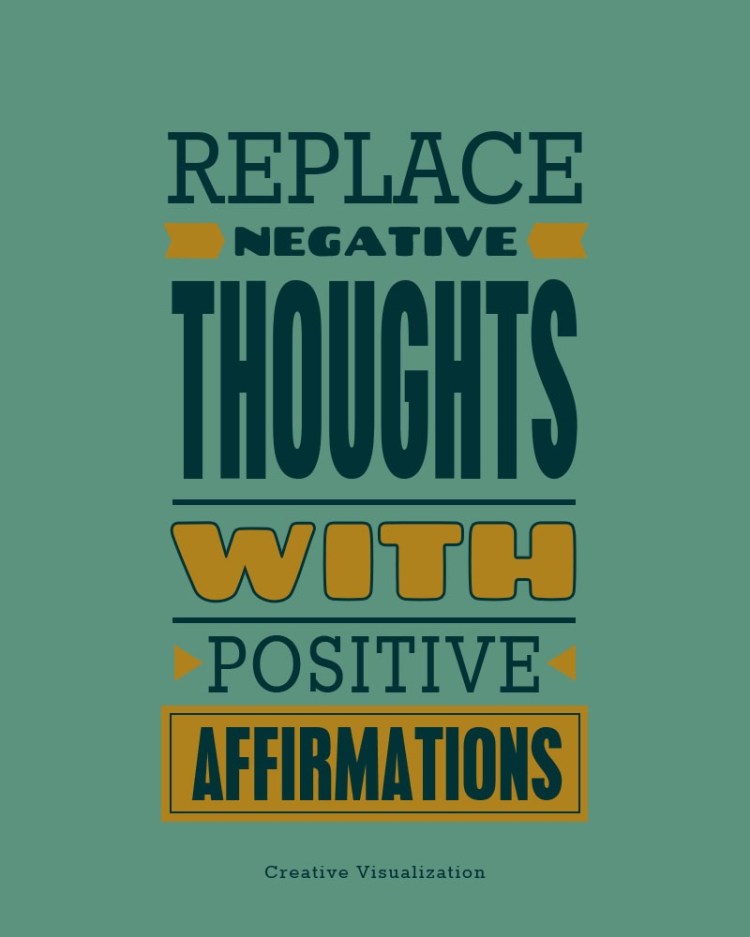
Don’t get discouraged by failures

3.

Max Planck once said, “If you change the way you look at things, the things you look at change.”

Simply put, it’s all about perspective. If you look at failures as a bad thing, it’ll discourage you from getting back up when you fall down. But if you look at it in a positive light, you’ll try again and learn from the experience. 

Always tell yourself and believe that YOU WILL because YOU CAN.  

A little extra

I had this one pop up on Daily Motivation.

It sort of sums up my last year. 12 months ago I was lost, skint, unemployed, just about homeless, and was falling out with most of my family.

Falling out with the family has turned into a blessing as I realise they are Narcissists and Gaslighters. I have had a very successful life though they tried to make out I was a failure. I was the first person in my family to get a University degree, became a succesful teacher, including being a Head Teacher at an International school in China; lived in the expensive suburbs in a big house with wife and three lovely sons; TA Army Officer reaching the rank of Major; I have published books on Amazon.

Photo by Haley Black on Pexels.com

I have lived and worked in USA, Spain, China, Morocco, Kazakhstan, Switzerland, UAE, Qatar, Oman, and Azerbaijan, visiting countries I never dreamt I would be able to access when I was a kid. And plenty more countries for holidays…

Yet they make out I am a loser, a failure etc…

Anyway, try this;

“You have been patiently riding the waves of life.

You chose to do the right thing – even when your heart ached, and the tears rolled down your cheeks.

You are starting to see the transformative effects of inner work.

There have been vast improvements in every aspect of your life.

Photo by Oliver Sju00f6stru00f6m on Pexels.com

The voice of fear is no longer as loud and stubborn as it used to be.

It’s getting easier to release your unwanted thoughts.

You now know how to overcome the tricks of the ego.

Keep working on your healing.

You are about to enter the season of fulfilled manifestations.

New doors are opening for you. 

Change your fixed mindset into a growth mindset

2.

Having a fixed mindset will not get you far in life.

This mindset makes you believe that things are not going to change, but stay as they are. If you believe you don’t have what it takes and that there’s nothing you can do to change something, you’re going to give up easily and not put in the work to improve certain areas in your life.

On the other hand, having a growth mindset means you’re ready to grow and evolve in order to reach your full potential and become the best version of yourself. 

Change your “I have to’s” to “I get to’s”

1.

Sometimes we tend to take things for granted.

For instance, we complain about the things that we “have to” do like we have to eat, take a shower, go to work or school, etc. Instead of doing that, change your perspective and be more grateful that you “get to” do those things. Because not everyone gets the chance to. 

By applying this mindset change, you’re going to give a different energy and imply that you’re blessed and grateful instead of implying like you have no choice but to do those things. 

What to Do Next

Photo by Vlad Cheu021ban on Pexels.com

In the end, successfully setting goals can help you find and follow what really matters to you. Take the time to really think about what you want out of your life, your business, your health. Then write out the goals you want to achieve in the short-term and in the long-term. Make them just out of your comfort zone to help you stay motivated.

Get others who are committed to helping you succeed on board. Ask them to be your accountability partners.

Break the goals down into smaller steps.

Finally, be aware of the reasons we often fail at reaching our goals. Make sure you really want what you’re reaching for, and you have a definite reason you are pursuing it.

Following Through to the End

A goal properly set is halfway reached. ~ Zig Ziglar

Photo by cottonbro on Pexels.com

Listen. You know it’s a great idea to create and write down your goals, but if you don’t follow through with them, they won’t do you any good. It takes more than wishful thinking to follow through on your dreams. Learning a new skill, getting more education, or motivating yourself to change the way you eat takes specific steps.

Once you know how to create strong goals and how to plan to follow through on each one, you’ve learned a skill that will help you succeed for the rest of your life.

In everything that matters, it’s important to follow through. You wouldn’t ask someone on a date and then not show up, would you? Follow-through is important and can be achieved by having someone to help motivate you, breaking down your goals into small manageable steps and remembering why you are after the goal to begin with.

Photo by Oliver Sju00f6stru00f6m on Pexels.com
  • Differentiate between short and long-term goals. This is your first step. You need to write down your goals and set a specific date you want to achieve the goals. Goals can be one month, three months, six months, one year, 5 years or any other amount of time. Short term goals might be something like losing five pounds in 2 months while a long-term goal could save $300,000 in 5 years to build a home.
  • Have an accountability partner. This is someone who believes in you and can hold you accountable when you go off track or want to quit. An accountability partner is like a sports coach. They are there to guide you, make sure you do what you say you will and give you a good talking to when you fall off course.
  • Visualize your goals every step of the way. Take time to visualize what the completed goal looks like. How does it feel? What will you be doing? What does it smell, taste, and look like? IF you need to, cut out or draw an image of the final goal. Imagine yourself in a situation to raise your motivation. When you run into a tough spell, take out your visualization to remind yourself why you are pursuing the goal.
  • Break down your goals into smaller steps. Make each step small enough that it’s not so monumental that it takes you a long time to complete it. Instead have small tasks to complete towards the goal each day. Physically tick off completed tasks from your goal breakdown list. For instance, your big goal is to lose twenty pounds by eating healthily and exercising. Break this down to something like eat one fresh vegetable for each meal today. Walk for 5 minutes.
  • Review often. Take time every month to review your goals. This keeps you on track and can help you see if you are pursuing a goal that no longer matters to you.
  • Be consistent. Work on your goals every day. If you need to, tweak your habits. Work on changing old habits that won’t help you reach your goal. Begin building new habits.
  • Reward yourself when you reach a milestone. Allow yourself to celebrate certain steps along the way.
  • Practice self-forgiveness. If you fall off track, don’t beat yourself up. Be kind to yourself and then get back on track.

Tips from the Experts

It’s one thing to tell you that you need to create concrete goals. I mean, who am I to tell you they work? I searched out some experts who have used goals to make a success of themselves.

Here are some of their tips on setting and achieving goals.

Photo by Jens Johnsson on Pexels.com
  1. Focus and concentration are the keys to success. Focus means that you know exactly what it is that you want to accomplish, and concentration requires that you dedicate yourself to doing only those things that move you toward your goal.” Brian Tracy is a top sales trainer and personal success authority.
  2. Set ‘bumper goals’ – so that if you finish Benchmark A, B or C – you STILL have a win and can stop or celebrate! This gave me a ‘game’ mentality and I was curious to see which goal I would hit first! I’m a geek, but it made my task more fun!” Carrie Wilkerson, The Barefoot Executive is a best-selling author, international speaker, award-winning podcaster, and radio guest.
  3. “Even though you have a goal in mind that you will work tirelessly for, remember that you are human and that everyone needs a rest. Do you know that statement that says to adjust your oxygen mask before helping others? That is true—get your oxygen before you can give to those around you.”  Mally Roncal is a makeup artist and founder and president of Mally Beauty.
  4. Never feel you’ve reached your goals. Don’t ever give up on your dreams, and work toward making them a reality.”  José Eber is a celebrity hairstylist.
  5. I block out several hours every week on my calendar for ‘creative time.’ I turn off my phone and spend time writing and researching. I think it’s important to do these weekly sessions because they provide clarity about my brand and where I want it to go; this practice can help with any goal.” Emily Morse is a sex therapist, relationship advisor, and author.
  6. “Goals such as ‘eat more healthfully,’ ‘exercise more,’ or ‘get more fun out of life’ are vague. Make it clear to yourself what you’re expecting from yourself. Goals such as ‘bring my lunch to work every day,’ ‘take a 20-minute walk after work,’ or ‘make a lunch date with a friend every Friday’ are easy to measure.”  Gretchen Rubin is the best-selling author of The Happiness Project.
  7. Some goals must be BIG to make you stretch and grow to your full potential. Some goals must be long-range to keep you on track and reduce the possibility of short-range frustrations. Some goals must be small and daily to keep you disciplined. Some goals must be ongoing. Some goals (i.e., weight loss, sales success, education, etc.) may require analysis and consultation to determine where you are before you can set the goals. Most goals should be specific.” Zig Ziglar was a long-time motivational speaker.
  8. “A key thing with goals that I learned from Facebook is to only have one goal for a specific period. It helps with saying no to other distractions you will face during the year.” Noah Kagan is the founder of AppSumo, a company that connects businesses with great products that will help them succeed & writes the OkDork blog.
  9. “Using my list of priorities as a guide, I focus on one step at a time. Latest ideas may be considered, but if they could get priorities out of order, they must wait their turn. I jot those ideas in a project file, and then return focus to the task at hand.” Kathryn Aragon is an award-winning copywriter, content marketer, consultant, and product creator. She is also the editor of The Daily Egg, Crazy Egg’s conversion optimization blog.

There you have it. Straight from successful people the tips they use to reach their goals. Follow their examples to achieve your own successful goals.

Successfully Setting Goals

“A goal without a plan is just a wish.” ~Larry Elder

Photo by Polina Zimmerman on Pexels.com

As you can see, failing at our goals is often a lot easier than achieving them. You might be asking yourself why bother setting goals if you are going to fail. You can successfully achieve your goals if you take a few steps to set up the right kinds of goals.

Those who succeed at reaching their goals all do certain things in common.

Photo by RDNE Stock project on Pexels.com
  • Believe in your goals. It doesn’t do you any good to create goals that you don’t believe you can achieve. Make them just out of your current reach.
  • Visualize yourself having achieved the goal. For example, if your goal is to lose ten pounds in 2 months, visualize yourself buying a size smaller outfit.
  • Write your goals down. This is a powerful step. It’s the number one thing that helps keep you on track. Begin by writing down the big goal. Then break it down into smaller steps on how to reach your goal. Henriette Anne Klauser details this in her captivating book, Write It Down and Make It Happen. Writing down your goal means you are stating your intention and setting things in motion.
  • Commit to them. Do something towards achieving your goal every day. It doesn’t have to be a major step. Just do something. It’s drinking one more glass of water or walking an extra block.
  • Stay focused. Keep the number of goals you set at one time to less than 5. It’s difficult for anyone to focus on more than five items at one time. Don’t include several goals under each big goal. Instead focus on a few goals that you can repeat from memory.
  • Create “SMART” goals. This popular acronym has been proven to work when setting your goals. They meet five specific criteria:
    • Specific- the goal must identify exactly what you want to accomplish in a specific way. Instead of a goal of, “write a book,” make it more specific like, “Write a book proposal for The Family Life Manifesto.”
    • Measurable- the goal needs to have a measurable result, so you know without a doubt you have hit your goal. A goal of “earn more than last year” can’t be measured. A goal of “Earn $10,000 more this year than the last.” can.
    • Actionable- your goal should start with an action. (run, finish, quit, earn) instead of a to be verb (be, have, am). Replace “Be more active” with “Run 2 miles every day.”
    • Realistic- a good goal will stretch you out of your comfort zone but not be so unrealistic as to not be attainable in a reasonable amount of time. A lofty goal of “Qualify for the PGA Tour” might be better than “Lower my golf handicap by four strokes.”
    • Time- the goal needs to have a specific date for completion. It can be a year-end date or a closer date. “Lose ten pounds” doesn’t have a specific time while “lose 10 pounds by August 31” does.
  • Plan of action. Once you’ve committed to a goal, create a plan of action to attain it. The best way to do this is to break the big goal into smaller steps. Work backward from the big goal to help you figure out what you need to do.
  • Review your written goals frequently. Review them on a regular basis to keep on track and to determine what your next step is. You can review them daily, weekly, or monthly, whatever works best for you. Let your goals inspire you to fill your daily task list.

Goal setting is not just helpful, it’s necessary to succeed in what makes you happy. Those who make consistent progress towards their goals are often happier and have more satisfied lives than those who drift through life. Successful goal setting is the guide that gets them to the end of their goal.

Why Goals Fail

“Obstacles are those frightful things you see when you take your eyes off your goal.” ~ Henry Ford

Now that you know why you need goals, setting the right ones and meeting them can be somewhat of a problem. Often, we fail to meet some of the goals we set for ourselves. There are several major reasons for this.

  • Vague goals that lead to setting the wrong priorities. Sometimes you manage to find time to do things that don’t add any value to your life and aren’t relevant to your goals. You might have a goal to author a book within a year. Instead of writing to reach that goal, you work on other stuff like getting pulled into Facebook or chatting on forums about something else.

If the goal is important enough for you, make it a priority to work on it.

  • Listening to the wrong people. Often, we associate with those who steer us in the wrong direction for whatever reason. It could be they are afraid you will leave them if you succeed. Or they are jealous of your ambition.
  • Our own selfish acts keep us from achieving our goals. Selfish acts such as not being willing to change a bad habit or thinking we deserve something without having to do the work.
  • We procrastinate. We make excuses. Lots of excuses. It seems it’s easier to come up with an excuse than a reason we need to be doing something. We’ve all made them. They range from not having enough time to the full moon. We’d rather watch TV or put off doing something because it’s easier than tackling our goals. Excuses are just that: excuses and they keep you at a standstill.

Excuses often come when we are afraid or uncertain of the outcome or the next step or what people will think. Or they happen when we are feeling lazy. We just don’t want to get out of our comfort zone and tackle what needs to be done to move us toward our goal.

  • Negative thoughts and fears. We grow our fears larger than we think of our abilities. Fear of failure (or success) kills dreams before they get to the first step. It’s often that we believe things won’t work out (or if they do, what will change), and this keeps us from working on our goals.

Fear robs you of self-confidence. It allows you to produce reasons (excuses) why you can’t accomplish your goals.

  • Lack higher purpose. Your “WHY” is weak. You must know what your goal means to you and why you set it. Are you chasing after something because it’s expected of you or to keep up with your peers?

If you set a goal for the wrong reason and spend time chasing after things you really don’t want, you lose your motivation to continue. You aren’t committed to them enough to achieve them and end up wasting time, money, and energy. Instead figure out your “WHY” before you set your goals.

  • Working on too many things at once. Trying to do many different things spreads your attention too thin. It can keep us from developing our skills and expertise in an area we would thrive and be enthusiastic about.
Photo by Nathan Cowley on Pexels.com

You need to discover what you are good at and most driven to achieve and focus on it. Set goals to achieve success at that before you move on to something else.

  • Not having a plan. As the saying goes when you fail to plan, you plan to fail. Having a plan is an essential part of reaching your goals. It’s the roadmap that gets you from point A to point B. Ask yourself how you plan to achieve your goal and what actions you need to take. Then use the answers to plan.

A plan is the steps you need to take to reach your goal. Use these to set your priorities for what you need to do and when you need to do each step.

  • Not responsible and lack of commitment to the goal. This is like knowing what your “why” is. We’ve all done it. We start a diet with good intentions on Monday but by the end of the week we begin to cheat until we are completely off track.
Photo by cottonbro studio on Pexels.com

You need to be fully committed to your goal to follow through. Excuses, friends, and those donuts will always pop up when you least expect them to derail you or cause you to put off your goals.

  • Unhealthy habits derail you. You have a habit of giving up when the going gets tough. It’s easier to just quit than to work through problems.

Your goal may require you to change the way you eat or to exercise more or work harder or put yourself in front of others. It’s easier to grab a bag of chips and sit on the couch or to pass the work on to someone else. Changing your bad habits is a necessary step in achieving your goals.

There are many reasons we seem to fail at goals. One of the biggest, of course, is the failure to set goals in the first place. Even an informal goal is better than none. Lack of action and following through on your goals often comes from fear. Recognizing your fear and committing yourself to working through it will go a long way in reaching your goals.

Why You Need Goals

“Without goals, and plans to reach them, you are like a ship that has set sail with no destination.”– Fitzhugh Dodson

Photo by Andrea Piacquadio on Pexels.com

All successful achievements begin with setting a goal. It’s the step that motivates you to take the first step toward what you want.

You know people who have a passive approach in life. They don’t set any goals. They just go through their life, day-by-day, doing the same thing from year to year. They don’t set a goal to achieve anything and that is exactly what they achieve.

The following list gives you five more reasons you need goals in life.

  1. To move you in a focused direction. Have a goal, especially one that is written down with a set date to accomplish it. Your goals represent your inner desires. Your inner desires are what motivate you in life. Goals are a constant reminder of why you are doing the actions you’re doing. They are the path that leads you forward.
  2. Turn big dreams into small steps. A big dream can seem impossible to accomplish. It can be discouraging. But when you set goals the right way, you break those larger, more intimidating goals down into smaller, achievable steps. These smaller goals make it easier to see what you need to do each step of the way.
  3. Hold you accountable. Having concrete goals and writing them down gives you a timeline for achievement. If you fail along the path, you have something to look to for re-evaluation. You might be humbled if you look back on goals you set for 6 months, a year or even 5 years ago only to see you were supposed to accomplish a lot more than you did. It’s a sign that you went off the path with a wrong turn. Having these concrete goals written down helps you see where you need to go and what changes you need to make to reach them.
  4.  Goals help us believe in ourselves. Goals are a way to fuel your ambition. Goals give you a plan for your life and hold you accountable as well as give you inspiration to aim for things you might have thought were impossible to achieve. For example, maybe you want to accomplish something many people only dream of. Setting a goal to reach that dream and the steps it takes to get there helps you see your progress.
  5. Give you a picture of what you really want. More often than not, you have set goals that don’t really reflect what you really want. Maybe you think you need more money but what you really need is a change of environment. Or you’ve set a goal to change jobs when what you really need is to work at something you can be enthusiastic about. Having a vague sense of success keeps you from going after what you truly desire. Setting goals forces you to ask yourself what you really want and re-assess your goals as you gain perspective and self-reflection on what really makes you happy.

Finally, goals are necessary if you want to succeed at anything. They function as a map to guide you to what you truly desire and hope to achieve in your life. You use goals to reach personal, spiritual, and professional success so you are living life to the fullest.